WELCOME TO AFGHANISTAN
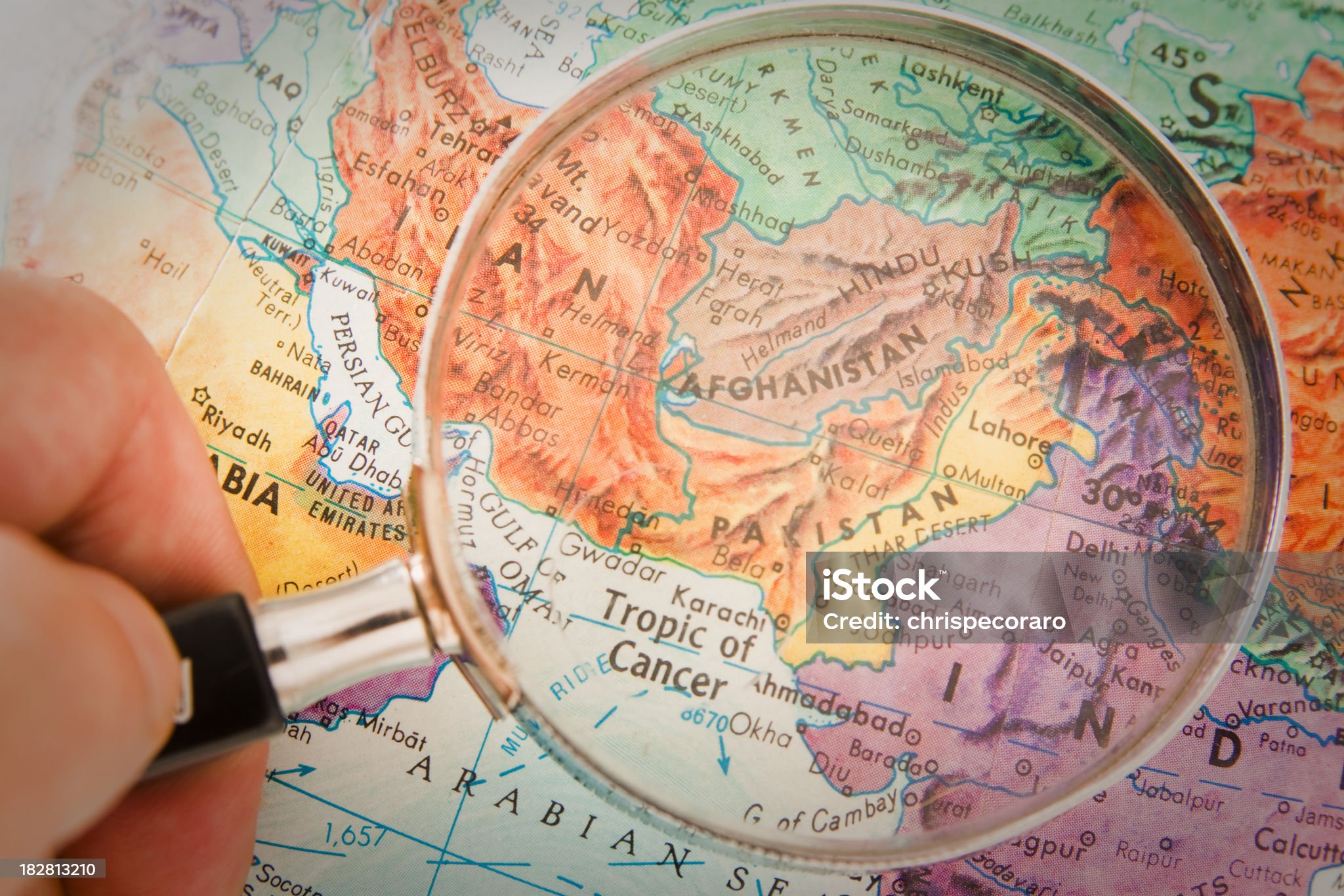
Afghanistan, a land of breathtaking beauty and profound resilience, lies at the crossroads of history and culture. Known as the "Heart of Asia," this nation is home to majestic mountains, fertile valleys, and ancient cities that have witnessed the rise and fall of empires. Afghanistan is a land where the echoes of poets like Rumi intertwine with the courage of its people, who have endured unimaginable hardships with unyielding strength and dignity. Its rich cultural tapestry—woven with diverse ethnicities, languages, and traditions—reflects a deep-rooted heritage that spans millennia. Though the country has faced challenges, its story is not one of despair, but of survival, hope, and an unshakable spirit. Afghanistan is more than its struggles—it is a land of hospitality, art, music, and a people whose dreams remain alive amid the harshest of storms.
It is a place where beauty exists in the most unexpected corners, reminding the world of its enduring soul and potential for renewal. Spring in Afghanistan transforms the countryside into a canvas of colors—wildflowers bloom across the fields, and the scent of blossoming almond and pomegranate trees fills the air. The golden deserts of Dasht-e-Margo and Registan stretch endlessly under the vast blue skies, their serene silence broken only by the winds. In contrast, the lush orchards of Kandahar and Herat yield fruits so sweet and abundant—pomegranates, grapes, and melons—that they are renowned across the world.
The beauty of Afghanistan is not only found in its landscapes but also in its ancient architecture. From the magnificent Buddhas of Bamyan, whose spirit still lingers despite their physical absence, to the intricate blue tiles of the Blue Mosque in Mazar-i-Sharif, the country’s cultural heritage reflects a deep reverence for art and craftsmanship. The Gardens of Babur in Kabul, with their peaceful terraces and flowing water channels, offer a glimpse into a bygone era of splendor.Afghanistan’s beauty lies in its contrasts—harsh yet breathtaking, ancient yet alive, resilient yet fragile. It is a place where the sunsets paint the skies in fiery hues.
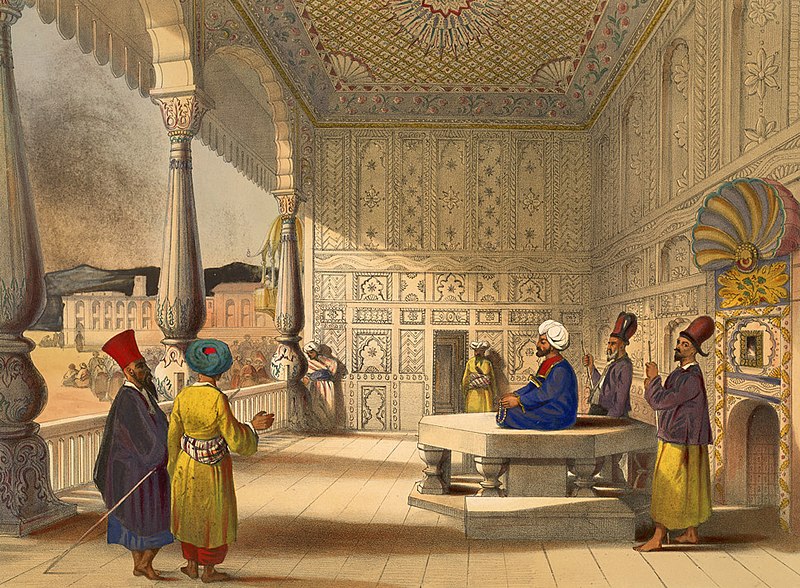
The land that is now Afghanistan has a long history of domination by foreign conquerors and strife among internally warring factions. At the gateway between Asia and Europe, this land was conquered by Darius I of Babylonia circa 500 B.C. and Alexander the Great of Macedonia in 329 B.C., among others. Mahmud of Ghazni, an 11th century conqueror who created an empire from Iran to India, is considered the greatest of Afghanistan’s conquerors.
The British, beleaguered in the wake of World War I, are defeated in the Third British-Afghan War (1919-21), and Afghanistan becomes an independent nation. Concerned that Afghanistan has fallen behind the rest of the world, Amir Amanullah Khan begins a rigorous campaign of socioeconomic reform, the king abdicates and leaves the country.
Amanullah declares Afghanistan a monarchy, rather than an emirate, and proclaims himself king. He launches a series of modernization plans and attempts to limit the power of the Loya Jirga, the National Council. Critics, frustrated by Amanullah’s policies, take up arms in 1928 and by 1929, the king abdicates and leaves the country.
Zahir Shah becomes king. The new king brings a semblance of stability to the country and he rules for the next 40 years. Widespread opposition to Karmal and the Soviets spawns violent public demonstrations. 14 in a confrontation with Amin supporters,the king abdicates and leaves the country.
The United States formally recognizes Afghanistan. Nur Mohammad Taraki, one of the founding members of the Afghan Communist Party, takes control of the country as president, and Babrak Karmal is named deputy prime minister. 14 in a confrontation with Amin supporters.
Britain withdraws from India, creating the predominantly Hindu but secular state of India and the Islamic state of Pakistan. The nation of Pakistan includes a long, largely uncontrollable, border with Afghanistan.In June, the guerrilla movement Mujahadeen is created to battle the Soviet-backed government.
The pro-Soviet Gen. Mohammed Daoud Khan, cousin of the king, becomes prime minister and looks to the communist nation for economic and military assistance. He also introduces a number of social reforms including allowing women a more public presence.
Soviet Premier Nikita Khrushchev agrees to help Afghanistan, and the two countries become close allies. At the same time, conservative Islamic and ethnic leaders who objected to social changes introduced by Khan begin an armed revolt in the countryside. In June, the guerrilla movement Mujahadeen is created to battle the Soviet-backed government.
As part of Daoud’s reforms, women are allowed to attend university and enter the workforce.Khan overthrows the last king, Mohammed Zahir Shah, in a military coup. Khan’s regime, the People’s Democratic Party of Afghanistan, comes to power. Khan abolishes the monarchy and names himself president.
The Afghan Communist Party secretly forms. The group’s principal leaders are Babrak Karmal and Nur Mohammad Taraki.Taraki signs a friendship treaty with the Soviet Union. But a rivalry between Taraki and Hafizullah Amin, another influential communist leader, leads to fighting between the two sides.
Khan overthrows the last king, Mohammed Zahir Shah, in a military coup. Khan’s regime, the People’s Democratic Party of Afghanistan, comes to power. Khan abolishes the monarchy and names himself president. The Republic of Afghanistan is established with firm ties to the USSR.
Khan proposes a new constitution that grants women rights and works to modernize the largely communist state. He also cracks down on opponents, forcing many suspected of not supporting Khan out of the government.Taraki signs a friendship treaty with the Soviet Union.They proclaim independence from Soviet influence.
Khan is killed in a communist coup. Nur Mohammad Taraki, one of the founding members of the Afghan Communist Party, takes control of the country as president, and Babrak Karmal is named deputy prime minister. They proclaim independence from Soviet influence, and declare their policies to be based on Islamic principles, Afghan nationalism and socioeconomic justice. Taraki signs a friendship treaty with the Soviet Union.
American Ambassador Adolph Dubs is killed. The United States cuts off assistance to Afghanistan. A power struggle between Taraki and Deputy Prime Minister Hafizullah Amin begins. Taraki is killed on Sept. 14 in a confrontation with Amin supporters. The USSR invades Afghanistan on Dec. 24 to bolster the faltering communist regime. On Dec. 27, Amin and many of his followers are executed. Deputy Prime Minister Babrak Karmal becomes prime minister.
Some 2.8 million Afghans have fled from the war to Pakistan, and another 1.5 million have fled to Iran. Afghan guerrillas gain control of rural areas, and Soviet troops hold urban areas. The United Nations investigates reported human rights violations in Afghanistan.
Although he claims to have traveled to Afghanistan immediately after the Soviet invasion, Saudi Islamist Osama bin Laden makes his first documented trip to Afghanistan to aid anti-Soviet fighters. The United Nations investigates reported human rights violations in Afghanistan.
The Mujahadeen are receiving arms from the United States, Britain and China via Pakistan. By early 1980, the Mujahadeen rebels have united against Soviet invaders and the USSR-backed Afghan Army. But a rivalry between Taraki and Hafizullah Amin, another influential communist leader, leads to fighting between the two sides.
If you have any questions or feedback feel free to reach out!